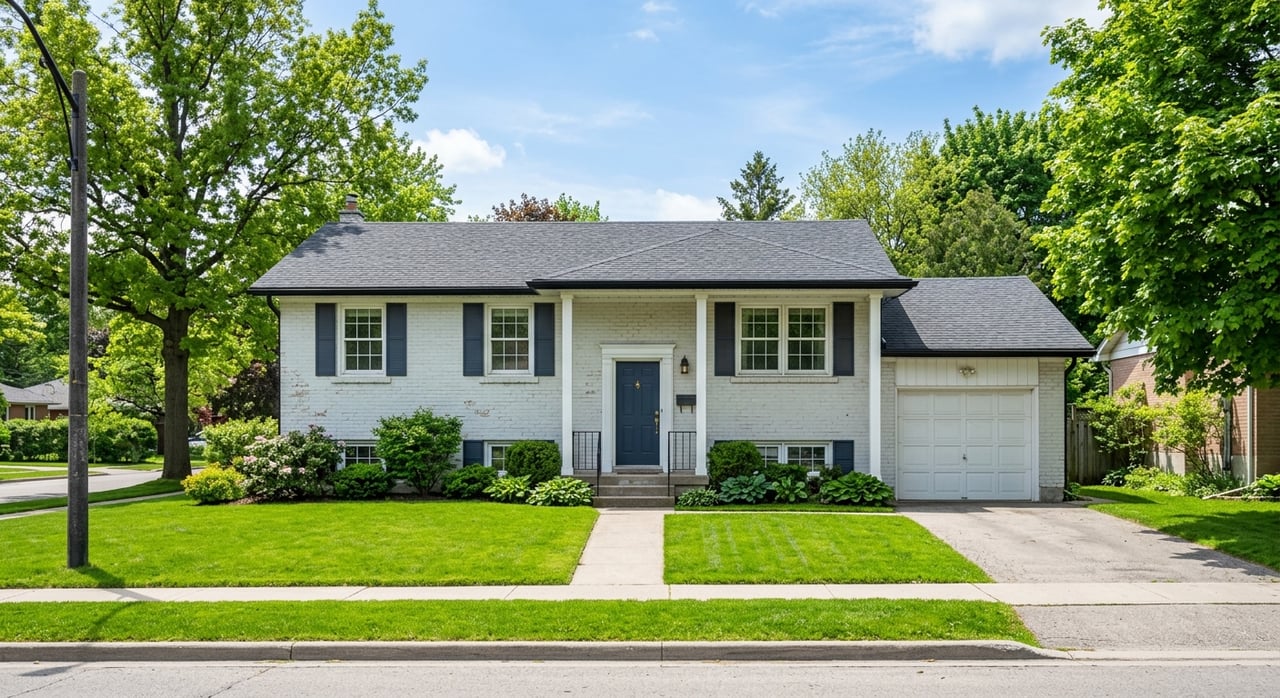
If you want a neighborhood where weekend plans can include river views, open park space, and a manageable path into Alexandria or DC, Fort Hunt deserves a closer look. For many buyers, the challenge is finding a place that feels calm and residential without feeling cut off from work, errands, and the wider region. Fort Hunt offers that balance, and understanding how the parks, Potomac access, and commute options fit together can help you decide if it matches your day-to-day life. Let’s dive in.
Why Fort Hunt Stands Out
Fort Hunt has the feel of a settled residential community. According to the U.S. Census Bureau, the population was 17,231 in 2020, with a 94.1% owner-occupied housing rate and 89.0% of residents living in the same home one year earlier.
Those numbers point to a neighborhood where many people put down roots. The Census also reports that 26.8% of residents are under 18, along with a median household income of $216,038 and a median owner-occupied home value of $927,400.
For buyers, that paints a clear picture of the market. Fort Hunt is not typically a high-turnover area, so when homes become available, many shoppers look closely at the lifestyle as much as the house itself.
Parks Shape Daily Life
One of Fort Hunt’s biggest draws is how closely daily life connects to outdoor space. Instead of parks feeling like a nice extra, they are a core part of what makes the area appealing.
Fort Hunt Park Is the Anchor
Fort Hunt Park is one of the defining features of the area. The National Park Service describes it as a Potomac River site between Alexandria and Mount Vernon Estate and Gardens, with mixed hardwood forests, open fields, wildlife habitat, and picnic areas.
That matters because it gives you more than a patch of green space. You get room for walks, casual outdoor time, and gatherings that feel easy to fit into your week.
If you are comparing Fort Hunt with denser neighborhoods, this is one of the clearest tradeoffs. You may give up some urban convenience, but you gain immediate access to a large, established park setting.
Potomac Access Adds Variety
Fort Hunt’s outdoor appeal goes beyond one park. Nearby access to the Potomac gives the area a more layered lifestyle, with options that range from easy paved paths to nature-focused exploration.
The National Park Service describes Dyke Marsh Wildlife Preserve as a 485-acre tidal marsh, floodplain, and swamp forest that can be explored by boat or on foot. The Haul Road Trail is flat and paved, and Belle Haven Marina offers a boat ramp and boat rentals.
That mix makes it easier to picture how your weekends might actually look. One day might be a short walk or picnic, while another might include time on the water or a longer nature outing.
Trails Connect Fort Hunt to the Region
Fort Hunt is not only scenic. It is also connected.
Mount Vernon Trail Expands Your Reach
The Mount Vernon Trail is an 18-mile paved multi-use trail running from Mount Vernon to Theodore Roosevelt Island. The National Park Service says it links Fairfax County and Alexandria to Arlington County and major bridge crossings into Washington, DC.
The trail is open year-round from 6 a.m. to 10 p.m., with commuters allowed to use it at any time. It also sees more than one million pedestrians and bicyclists annually, which shows how important it is as both a recreation route and a practical transportation corridor.
For Fort Hunt residents, that connection matters. Fort Hunt Park is reachable from the trail via Fort Hunt Road, which means you have access to a regional path network that supports biking, walking, and mixed-mode trips.
A Good Backup to Driving
Most people in the area still rely heavily on a car, but trail access gives you another option. If you enjoy biking for exercise, short errands, or occasional commute alternatives, Fort Hunt has a real advantage over places with fewer direct outdoor links.
This can be especially appealing if you want flexibility. Even if you drive most days, having a bike-friendly backup can improve how the neighborhood works for you over time.
What Commutes Look Like From Fort Hunt
For many buyers, the question is simple: how easy is it to get where you need to go?
The answer is that Fort Hunt sits in a commuter region where driving remains the main pattern, but transit and telework are very much part of the picture. The U.S. Census Bureau reports a mean travel time to work of 31.2 minutes for Fort Hunt, while Fairfax County’s 2024 transportation chapter, using 2022 ACS data, reports a countywide average commute time of 30.4 minutes.
Fairfax County also reports that about 60% of workers drove alone, 22% worked from home, and 8% carpooled. That gives useful context for Fort Hunt. It is part of a broader Northern Virginia commute system where cars still dominate, but not exclusively.
Driving Into Alexandria and DC
If you drive, the George Washington Memorial Parkway is a major corridor to know. The National Park Service describes it as an important commuter roadway and scenic route to the nation’s capital, and Alexandria’s official getting-around guidance also places the city along Route 1 and the Parkway.
In practical terms, many northbound trips from Fort Hunt follow the George Washington Memorial Parkway or Route 1. That applies whether you are heading toward Alexandria, the Pentagon area, or onward into DC.
For buyers who work in those employment centers, Fort Hunt often appeals because it offers a more residential setting without putting you too far from common commuting routes. The tradeoff is that you should still expect a car-oriented routine for many daily trips.
Transit Through Huntington
If you prefer transit or want a reliable backup to driving, Fort Hunt does have a workable path. Fairfax Connector Route 101 runs between Huntington Metro Station and Mount Vernon Estate & Gardens, traveling primarily along the George Washington Memorial Parkway and Fort Hunt Road corridors.
WMATA identifies Huntington as a Yellow Line station with Fairfax Connector, Metrobus, and REX connections. WMATA also identifies Pentagon as a Blue and Yellow Line station and a major bus transit center.
That makes one of the most realistic transit patterns from Fort Hunt fairly straightforward:
- Take Fairfax Connector Route 101 to Huntington
- Transfer to the Yellow Line
- Continue toward the Pentagon area or downtown DC destinations
For some households, that kind of backup matters just as much as the primary commute. It gives you options on days when driving is less convenient or when you simply want a different rhythm.
Who Fort Hunt Fits Best
Fort Hunt tends to appeal to buyers who want space, stability, and access to the outdoors. It can be a strong fit if you like the idea of living near major parkland and the Potomac while staying connected to Alexandria and the wider DC area.
It may especially suit you if your ideal neighborhood feels more residential than urban. The area’s high homeownership rate, lower turnover, and park-centered setting all support that impression.
That does not mean every buyer will prefer it. If your top priority is dense retail, frequent rail access right outside your door, or a more urban street grid, you may want to compare Fort Hunt carefully with other Alexandria-area options.
Everyday Tradeoffs to Think About
Every neighborhood asks you to prioritize something. In Fort Hunt, the biggest strengths are outdoor access, established residential character, and practical connections to Alexandria, the Pentagon, and DC.
The main tradeoff is that your routine will likely still lean on a car for many trips. Even with bus service and trail access, Fairfax County data shows the broader commute pattern remains car-heavy.
For many buyers, that balance works well. You get a calmer home base with meaningful access to parks and the river, while still staying within reach of major job centers.
Why Lifestyle Matters in a Home Search
When you are buying in Fort Hunt, the house is only part of the decision. The bigger question is how the neighborhood supports your daily routine, from weekday commutes to weekend downtime.
That is where Fort Hunt often makes a strong case for itself. Between Fort Hunt Park, the Potomac-adjacent recreation options, the Mount Vernon Trail, and the northbound commute corridors, the area offers a lifestyle that feels grounded, active, and connected.
If that sounds like the kind of balance you want, Fort Hunt is worth exploring in person. If you are thinking about buying or selling in this part of Alexandria, Adrianna Vallario can help you understand how Fort Hunt fits your goals and what to watch for in this market.
FAQs
What is Fort Hunt known for in Fairfax County?
- Fort Hunt is known for its established residential setting, strong homeownership, Fort Hunt Park, Potomac access, and practical commute connections to Alexandria, the Pentagon, and DC.
What parks and outdoor spaces are near Fort Hunt?
- Key outdoor spaces include Fort Hunt Park, the Mount Vernon Trail, Dyke Marsh Wildlife Preserve, and nearby Belle Haven Park and Belle Haven Marina.
What is commuting from Fort Hunt to DC like?
- Commuting from Fort Hunt often involves driving north via the George Washington Memorial Parkway or Route 1, while a common transit option is Fairfax Connector Route 101 to Huntington Metro and then the Yellow Line into the Pentagon area or downtown DC.
Is Fort Hunt connected to bike trails?
- Yes. Fort Hunt connects to the regional Mount Vernon Trail network, which links Fairfax County and Alexandria with Arlington and major bridge crossings into Washington, DC.
Does Fort Hunt feel more urban or residential?
- Fort Hunt generally feels more residential than urban, with a settled neighborhood pattern, high owner occupancy, and strong access to parks and open space.
Is Fort Hunt a good fit for buyers who want outdoor access?
- Fort Hunt can be a strong fit if you want easy access to parkland, riverfront recreation, trails, and a neighborhood that supports an active outdoor lifestyle.