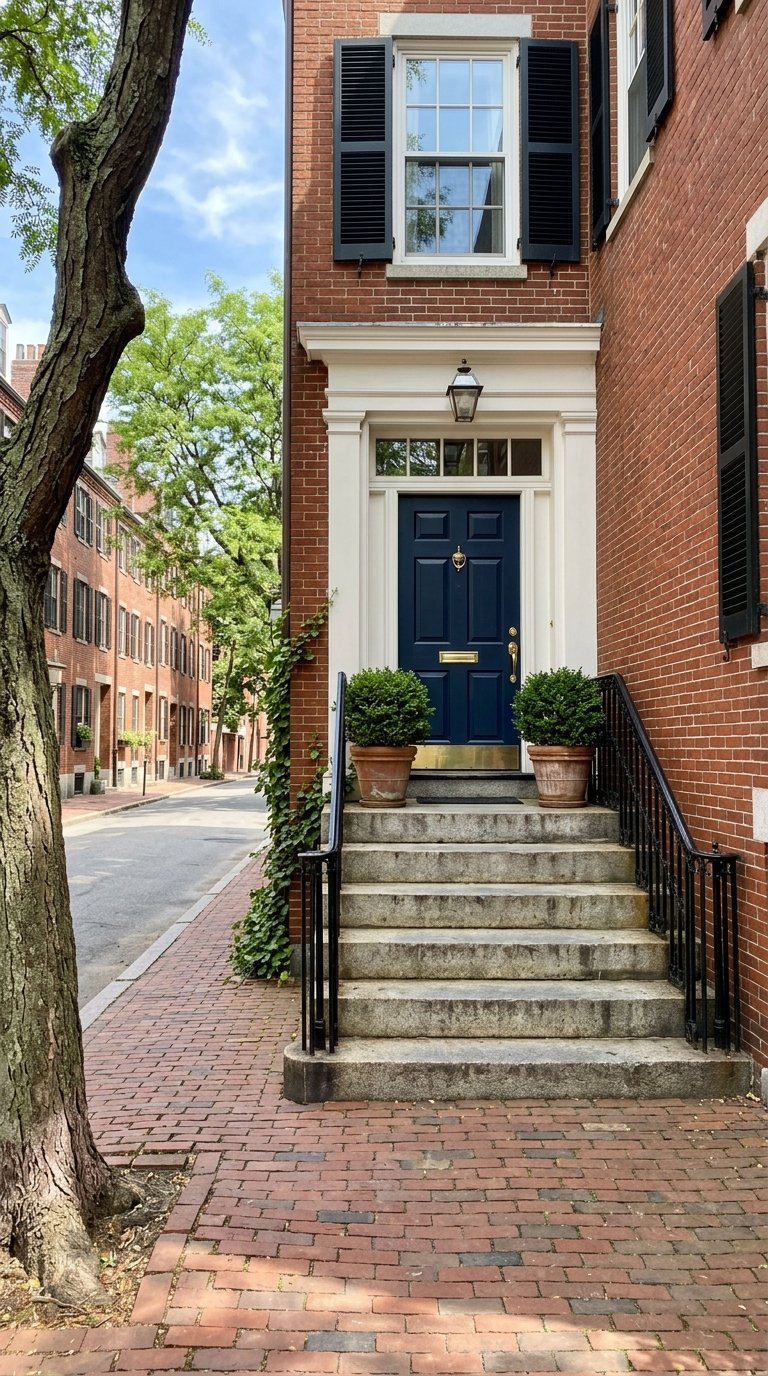
If your workweek depends on getting into DC or National Landing without turning every day into a driving puzzle, Old Town Alexandria deserves a serious look. You want a neighborhood that feels lived-in, connected, and easy to navigate, not just a place that looks good on a weekend walk. In Old Town, you can get a historic setting, a strong transit network, and a daily routine that supports a car-light lifestyle. Let’s dive in.
Why Old Town fits commuters
Old Town works well for many DC and HQ2 commuters because it blends a historic urban core with practical transportation options. The City of Alexandria describes Old Town as the city’s historic urban core, and King Street remains one of its main commercial corridors. That means your home base can feel active and useful day to day, not separate from where you actually spend your time.
There is also real convenience built into the neighborhood. The King Street area gives you access to restaurants, boutiques, public spaces, and transit in one compact setting. Visit Alexandria notes that the King Street mile has more than 200 independent restaurants and boutiques, which helps explain why many buyers see Old Town as more than just a charming address.
Transit options from Old Town
For many buyers, the big question is simple: how easy is it to get where you need to go? In Old Town, the answer is that you have more than one way to make the commute work. That flexibility matters when your schedule changes or when you want options beyond driving.
Metro access
King St-Old Town is the closest Metro stop to Old Town and the waterfront. WMATA says the station connects to the Blue and Yellow lines, which continue to major destinations including the Pentagon, Pentagon City, Crystal City, Potomac Yard, Mt Vernon Square, and Metro Center.
That direct rail spine is one of Old Town’s biggest advantages. For planning purposes, downtown DC destinations like Metro Center, Mt Vernon Square, or L’Enfant Plaza are often about 15 to 25 minutes away. The Pentagon is often about 10 to 15 minutes from King St-Old Town.
DASH buses and local connections
Alexandria’s free DASH bus system adds another layer of convenience. The City notes that DASH runs throughout Old Town and connects to all Metro stations in Alexandria. If you are living a few blocks from Metro, that can make your daily routine easier.
The city’s transportation toolkit specifically notes that DASH Lines 30, 31, and 34 stop at Market Square, about three blocks from the waterfront. For HQ2-oriented buyers, DASH Line 34 is especially useful because its schedule shows about 15 minutes from City Hall and Market Square to Potomac Yard Metro.
King Street Trolley
The free King Street Trolley is a small detail that makes a big difference in daily life. It links King Street Metro with City Hall and Market Square, helping bridge the gap between the station and the heart of Old Town.
The City says the trolley runs every 15 minutes, and DASH says it operates daily from 11 a.m. to 11 p.m. year-round. If you picture yourself grabbing dinner, meeting friends, or heading home from Metro without moving your car, this is part of what makes Old Town feel easy.
Bike and non-car options
Old Town also supports buyers who want a broader car-free toolkit. Alexandria highlights Capital Bikeshare, e-bikes, scooters, rideshare, bike trails, and the Potomac water taxi as part of the mobility mix.
That does not mean every buyer will want to go fully car-free. It does mean you can mix and match how you move around depending on the day, the weather, and your destination.
What commuting to DC looks like
If your office is in DC, Old Town can offer a practical middle ground between urban access and neighborhood feel. The Blue and Yellow lines provide a direct connection into core destinations, which helps reduce transfers and keeps the commute relatively straightforward.
In real terms, many buyers focus on that 15 to 25 minute planning estimate to central DC stops. That range can make Old Town feel much more workable than people expect, especially if they want walkability at home without giving up reliable rail access.
What commuting to HQ2 looks like
For HQ2 and National Landing buyers, Old Town often makes even more sense. Arlington County describes National Landing as Crystal City, Pentagon City, and Potomac Yard, and Alexandria points to the National Landing-Potomac Yard Metroway connection through that corridor.
Because those destinations are so close, the commute can be especially manageable. Potomac Yard may be reachable in about 15 minutes from City Hall and Market Square on DASH Line 34, making Old Town a realistic option for buyers who want historic character without losing easy access to Arlington job centers.
There is one current transit note worth knowing. WMATA says Crystal City station has weekend closures through June 2026 tied to the second-entrance project, with shuttle buses replacing rail on affected weekends. If your routine depends heavily on Crystal City specifically, that is worth factoring into your planning.
How Old Town feels block to block
One reason Old Town attracts so many different kinds of buyers is that it is not one-note. Different sections of the neighborhood support different lifestyles, even though the overall area still feels connected.
North Old Town
North Old Town tends to feel more mixed-use and a bit more forward-looking. The City’s Old Town North Small Area Plan emphasizes a balanced mix of uses, including retail, arts, and cultural activity, and city public-art materials describe North Fairfax Street as an arts corridor.
If you want Old Town access with a more contemporary, transit-oriented feel, North Old Town may be a strong fit. It often appeals to buyers who want neighborhood character but also want easy movement toward the broader Alexandria and National Landing corridor.
King Street core
The King Street core is the most active and walkable part of Old Town. The City says King Street remains a thriving commercial corridor, and the area is anchored by shops, restaurants, and the long-running Old Town Farmers Market on Saturdays.
This is the part of Old Town that feels most convenient if you want daily errands, dining, and transit access close together. The free trolley also helps make this stretch feel especially car-light during the day and into the evening.
Waterfront and South Old Town
The waterfront side and South Old Town tend to feel more scenic and a little softer in their day-to-day rhythm. The City says Waterfront Park creates a seamless transition between the historic retail corridor and the riverfront public realm.
If you picture evening walks, time near the water, and easier access to open public space, this area may stand out. For some buyers, that quieter feel is worth being a bit farther from the Metro station.
Tradeoffs to think through
Old Town is often best for buyers who are comfortable with a walk-first lifestyle. WMATA says King St-Old Town has no daily parking, and the city notes that on-street parking in Old Town is metered and time-limited. In other words, convenience here often comes from proximity and transit, not from abundant parking.
That tradeoff is exactly why many people choose it. Instead of a more suburban street grid and more parking-focused setup, you get historic, low-rise neighborhood fabric and one of the strongest walkability-plus-transit combinations in the region.
A simple way to frame it is this:
- If you want to walk to coffee, dinner, the waterfront, and local services, Old Town checks a lot of boxes.
- If you want multiple commute options beyond driving, Old Town offers real redundancy.
- If daily parking ease is your top priority, you may want to compare carefully within Old Town and against other nearby neighborhoods.
Who Old Town tends to suit best
Old Town can be a strong fit for several kinds of buyers, especially those who want their home and commute to work together. Young professionals often like the direct access to DC and National Landing plus the walkable setting. Relocators often appreciate that the neighborhood is easy to understand on the ground, with clear activity centers and multiple transit modes.
It can also work well if you want your weeknight life to stay local. Instead of finishing the workday and needing to drive somewhere else for dinner or a walk, you can often do both close to home.
How to evaluate Old Town as a buyer
If you are considering Old Town, try to judge it based on your actual weekly routine. The right home here is often less about square footage alone and more about how easily you can reach Metro, DASH, King Street, the waterfront, or your preferred route out of town.
A smart shortlist usually includes:
- Your likely commute path to DC, Pentagon, or National Landing
- Walking distance to King St-Old Town Metro or DASH stops
- How often you expect to use the trolley
- Your comfort level with metered and time-limited street parking
- Whether you prefer North Old Town, the King Street core, or the waterfront side
That kind of neighborhood-first approach can help you buy with more confidence. It also helps you avoid choosing a home that looks right on paper but does not match how you actually live.
If you want help comparing blocks, commute patterns, and the feel of different parts of Old Town, working with a local advisor can make the process much more efficient. Adrianna Vallario takes a neighborhood-first approach and can help you narrow in on the part of Old Town that best fits your routine, priorities, and move timeline.
FAQs
Is Old Town Alexandria a good choice for commuting to downtown DC?
- Yes. King St-Old Town is on WMATA’s Blue and Yellow lines, and planning estimates put many central DC destinations at roughly 15 to 25 minutes away.
Is Old Town Alexandria convenient for HQ2 and National Landing commuters?
- Yes. National Landing includes Crystal City, Pentagon City, and Potomac Yard, and DASH Line 34 shows about 15 minutes from City Hall and Market Square to Potomac Yard Metro.
Does Old Town Alexandria have good transit beyond Metro?
- Yes. Old Town also has free DASH buses, the free King Street Trolley, Metrobus connections, Amtrak, VRE access, bikeshare, and other non-car options.
Which part of Old Town Alexandria feels most walkable day to day?
- The King Street core is generally the most active and walkable area, with shops, restaurants, the Farmers Market, and easy trolley access.
What should buyers know about parking in Old Town Alexandria?
- WMATA says King St-Old Town has no daily parking, and the city notes that on-street parking in Old Town is metered and time-limited, so many buyers do best if they are comfortable with a car-light routine.