If you are thinking about selling in Fort Hunt, one question matters early: how do you get your home market-ready without turning the process into a second full-time job? In a neighborhood where many owners have lived in their homes for years, the biggest challenge is often not whether to improve the home, but how to manage repairs, staging, cleaning, and timing in a smart, low-stress way. The good news is that with the right concierge support, you can focus on the updates that matter most and avoid spending on the wrong things. Let’s dive in.
Why preparation matters in Fort Hunt
Fort Hunt is a high-value, mostly owner-occupied area of Fairfax County. Census QuickFacts reports a 94.1% owner-occupied housing rate, a median household income of $216,038, and a median owner-occupied home value of $927,400. Redfin’s March 2026 snapshot shows a median sale price of $899,000, a median of 30 days on market, and homes closing at 101.9% of list price on average.
That kind of market still rewards strong preparation. Buyers in this price range often notice condition, presentation, and overall polish right away. A home that feels clean, updated, and move-in ready can create stronger first impressions and help support a more confident offer.
For many Fort Hunt sellers, the bigger issue is time and coordination. Because owner occupancy is so high, many sellers are long-term homeowners balancing work, family, relocation plans, or the logistics of their next move. A concierge-style approach can make pre-listing prep feel much more manageable.
What buyers notice first
Before you think about large renovations, start with the basics that shape how your home looks and feels. Fannie Mae advises sellers to inspect the home inside and out, handle needed repairs, address cosmetic issues and deferred maintenance, and keep the home neutral, simple, and free of clutter. It also notes that bright wall colors, unusual landscaping, and too many personal items can distract buyers.
In practical terms, that usually means focusing on the items that make a home feel well cared for. Fresh paint, repaired flooring, a deep clean, decluttering, and simple landscaping often do more for buyer perception than expensive custom upgrades. The goal is not to make the house look unfamiliar. It is to help buyers picture themselves living there.
Start with high-impact pre-listing projects
If you want to prepare your Fort Hunt home efficiently, it helps to think in terms of return and visibility. The best projects are usually the ones buyers will notice in the first few minutes online and in person.
Repairs and maintenance first
Repairs should come before cosmetic extras. If something appears worn, broken, or overdue for attention, buyers may start wondering what else has been deferred. Taking care of visible maintenance issues can help your home feel more solid and better cared for from the start.
Common priorities may include:
- Touch-up or full interior painting in neutral tones
- Floor repair or carpet replacement where wear is obvious
- Deep cleaning of kitchens, baths, windows, and baseboards
- Landscaping cleanup and basic curb appeal work
- Decluttering and packing away highly personal items
- Seller-side inspections when appropriate for planning repairs
Keep updates targeted
It is easy to over-improve before listing, especially in a strong market. But the smartest prep plan is usually selective, not expansive. You want to invest in projects that improve presentation, reduce buyer objections, and support pricing, not chase renovations that may not come back dollar for dollar.
This is where a local, guided plan matters. A boutique advisor can help you separate must-do work from nice-to-have work so your timeline and spending stay aligned with your likely net proceeds.
Stage the rooms that matter most
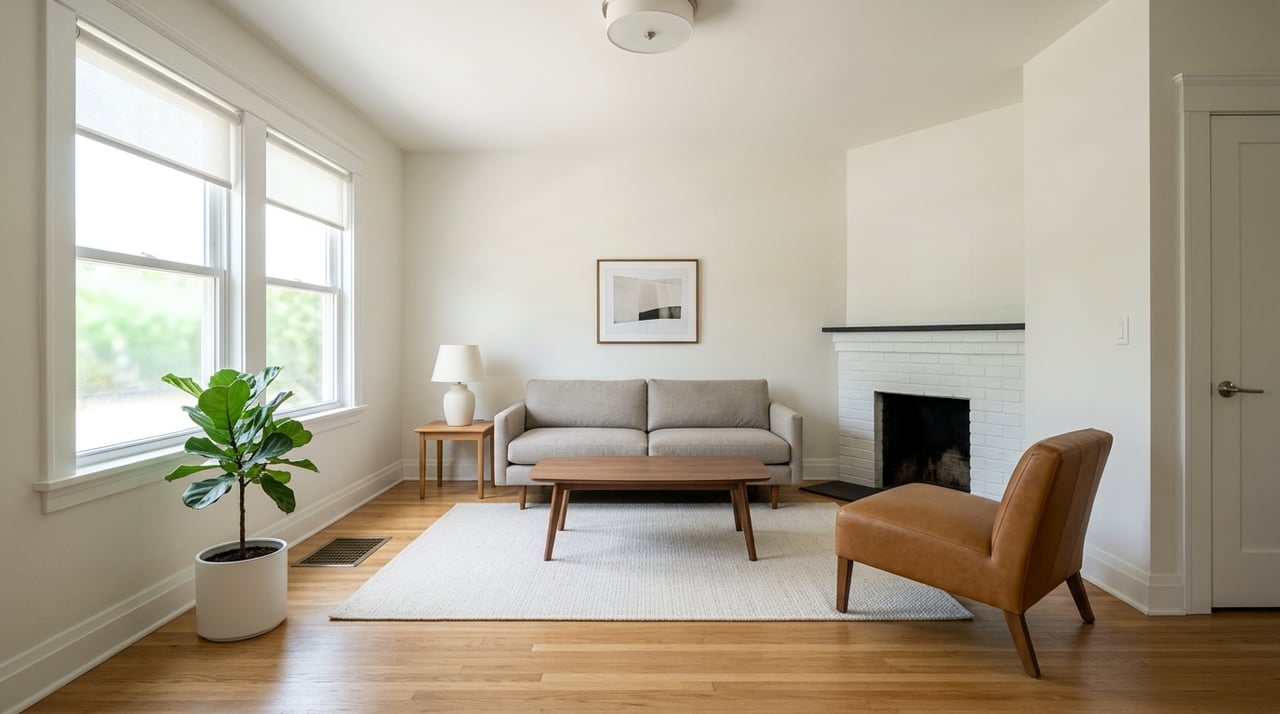
You do not need to stage every room to make a strong impression. According to the National Association of Realtors 2025 staging report, buyers’ agents most often viewed the living room, primary bedroom, and kitchen as the most important rooms to stage. Sellers’ agents most commonly staged the living room, primary bedroom, and dining room.
That finding is useful for Fort Hunt sellers because it supports a focused approach. If you are deciding where to invest, start with the spaces that shape the emotional reaction buyers have when they first view the home online and then walk through the front door.
Where staging usually pays off
In many homes, these spaces carry the most weight:
- Living room
- Primary bedroom
- Kitchen
- Dining room
- Entry area or foyer
These are the rooms that help buyers understand scale, flow, and lifestyle. Even light staging can make spaces feel more functional, brighter, and easier to connect with.
Think of staging as strategy
Staging is not just decorative. NAR reported that 29% of agents saw staging increase the dollar value offered by 1% to 10%, and 49% of sellers’ agents saw staging reduce time on market. The median spend on a staging service was $1,500.
In a market near the $900,000 range, even a modest improvement in price or market time can be meaningful. That is why staging is best viewed as a strategic marketing decision, not an optional finishing touch.
Professional marketing starts before you list
A polished launch does not begin on the day your home goes live. It starts during prep, when the home is being shaped for photography, video, and in-person showings.
Fannie Mae notes that a seller’s marketing plan often includes MLS exposure, open houses, virtual tours, and flyers, and that in-person tours are a major factor in buyer decisions. In Fort Hunt, where computer ownership and broadband use are both very high, a digital-first launch strategy makes practical sense.
That means professional photography, video, and a clean online presentation should be treated as core marketing tools. Buyers often form their first impression on a screen. If the home is not photo-ready, it is not truly launch-ready.
A simple launch sequence
A well-managed listing launch often follows a clear order:
- Evaluate the home and identify high-impact improvements
- Complete repairs, cleaning, decluttering, and staging
- Capture professional photos and visual marketing assets
- Build interest before public launch when appropriate
- Go live with strong presentation and showing readiness
Compass also describes a phased launch path that can include Private Exclusive, then Coming Soon, then the full public launch. That sequence can help sellers build momentum while making sure the home is fully prepared before broad exposure.
How Compass Concierge can help
For sellers who want to improve presentation without paying every cost upfront, Compass Concierge can be a useful tool. According to Compass, the program fronts the cost of eligible home-improvement services with zero due until closing. Repayment is due when the home sells, when the listing agreement ends, or after 12 months, subject to program terms that vary by market.
Compass also states that fees or interest may apply depending on state, and loan eligibility is subject to credit approval and underwriting by Notable. Compass is not the lender. That means Concierge can help with timing and cash flow, but it still makes sense to evaluate the program carefully as part of your overall sale plan.
What Concierge may cover
Compass lists a wide range of covered services, including:
- Floor repair
- Carpet cleaning and replacement
- Staging
- Deep cleaning
- Decluttering
- Cosmetic renovations
- Landscaping
- Painting
- Moving and storage
- Seller-side inspections
- Kitchen and bathroom improvements
The biggest advantage is flexibility. Instead of delaying needed prep or paying for everything out of pocket right away, you may be able to complete the work that helps the home show its best and settle those costs later under the program terms.
Use Concierge to improve, not over-renovate
The smartest use of concierge support is focused improvement. A pre-sale plan should aim to remove distractions, improve presentation, and support your pricing strategy. It should not turn into a full-scale renovation unless there is a clear, market-supported reason to do so.
In other words, fund the projects that help buyers say yes faster and with more confidence. Skip the projects that add time, complexity, and cost without a strong payoff.
How to think about prep costs and net proceeds
Every seller wants to know the same thing: will this spending actually help me net more? The answer depends on your home’s current condition, your likely price point, and how targeted the work is.
Fannie Mae notes that selling a home can involve upfront costs such as home-improvement expenses, closing costs, and moving expenses. Those costs should be viewed together, not in isolation. A prep budget is part of the bigger net-proceeds conversation.
There is also the cost of time. Fairfax County’s FY 2026 real estate tax rate is $1.1225 per $100 of assessed value, which matters when you estimate carrying costs before closing. If strategic prep helps you launch more cleanly and sell more efficiently, that can affect your bottom line too.
A practical way to evaluate spending
When deciding whether a project is worth funding, ask:
- Will buyers notice this right away?
- Will it improve photos, showings, or first impressions?
- Could it reduce objections during inspections or negotiations?
- Is the cost reasonable compared with the likely pricing or timing benefit?
- Does it support a cleaner, stronger launch?
This kind of filter keeps your prep plan disciplined. It also helps you stay focused on improvements that serve the sale, rather than projects you may have wanted to do eventually anyway.
What concierge support looks like in practice
The biggest benefit of concierge-style service is not just funding. It is coordination. When one person is helping you map out priorities, line up vendors, manage timing, and connect prep decisions to pricing and launch strategy, the process gets much easier.
That matters in Fort Hunt, where many sellers are juggling a lot at once. You may be preparing for a move across town, leaving the area, or handling a sale while living in the home with a full household schedule. A hands-on advisor can help keep the process organized, practical, and less stressful.
With a neighborhood-first, boutique approach, the goal is simple: help you make smart improvements, avoid wasted effort, and bring your home to market looking its best.
If you are preparing to sell in Fort Hunt and want a tailored plan for repairs, staging, vendor coordination, and launch timing, connect with Adrianna Vallario for a thoughtful, concierge-style strategy built around your home and your goals.
FAQs
What pre-listing projects are worth doing before selling a Fort Hunt home?
- The most worthwhile projects are usually visible repairs, neutral paint, flooring updates where needed, deep cleaning, decluttering, basic landscaping, and targeted staging in the main living spaces.
What rooms should I stage before listing a Fort Hunt home?
- The most important rooms to prioritize are typically the living room, primary bedroom, kitchen, and often the dining room, since these spaces have the biggest impact on buyer impressions.
How does Compass Concierge work for Fort Hunt home sellers?
- Compass says Concierge fronts the cost of eligible pre-listing services with zero due until closing, with repayment due when the home sells, the listing agreement ends, or after 12 months, subject to program terms, possible fees or interest, and credit approval.
Do I need to stage every room when selling a home in Fort Hunt?
- No. A focused staging plan for the main living spaces often gives you the best return without adding unnecessary cost.
How should I compare prep costs with likely sale results for a Fort Hunt listing?
- Look at whether a project improves first impressions, photos, showing appeal, or negotiation strength, and weigh that against the cost, your timing, and your overall expected net proceeds.