If you are thinking about selling in Old Town, your home needs more than a sign in the yard. In one of Alexandria’s most historic and fast-moving markets, buyers notice presentation right away, and they often connect a home’s condition to its value. The good news is that you do not need a full renovation to make a strong impression. With the right plan, Compass Concierge can help you focus on the updates that matter most and bring your listing to market with less stress. Let’s dive in.
Why Old Town prep matters
Old Town is not just another Alexandria neighborhood. The City of Alexandria notes that it has been the city’s urban center since 1749, and much of the area is part of a National Register Historic District. When you sell here, buyers are often responding to both the home itself and the larger story of the neighborhood.
That context makes pre-listing preparation especially important. Your goal is usually not to strip away character or chase a trendy remodel. Instead, the smarter strategy is to present the home as polished, functional, and true to its historic setting.
The market numbers support that approach. Redfin reports a median sale price of $1,069,640 in Old Town over the three months ending May 2026, with homes averaging 14 days on market and 49.4% selling above list price. Compared with Alexandria overall, where the median sale price was about $699,581 and average days on market were 29, Old Town often rewards thoughtful presentation and strong launch timing.
How Compass Concierge helps sellers
Compass Concierge is designed to front the cost of eligible home-improvement services with zero due until closing, according to Compass. Covered categories include staging, flooring, painting, cosmetic renovations, landscaping, electrical work, seller-side inspections, kitchen improvements, bathroom improvements, moving, storage, and many other services.
For many sellers, the biggest benefit is not just funding. It is having a more organized, agent-led process. Compass describes the workflow as setting the scope and budget, coordinating vendors, completing the work, and then launching to market.
That setup is especially useful in Old Town, where prep decisions often need to balance buyer appeal, timing, and historic-district rules. Instead of trying to manage every contractor and decision on your own, you can work from a clear plan with a local advisor guiding each step.
Compass also notes that, depending on state, fees or interest may apply, and loans are subject to Notable’s credit approval and underwriting. Funds are repaid when the home sells, the listing agreement ends, or 12 months pass from the Concierge start date, whichever comes first.
Why Old Town sellers need a narrow scope
In a historic neighborhood, more work is not always better. Old Town buyers are often drawn to original details, established streetscapes, and homes that feel connected to the neighborhood’s character. That means your prep plan should usually focus on selective improvements that refresh the home without erasing what makes it special.
The City of Alexandria’s preservation guidance highlights features like masonry, roofing, siding and trim, windows and shutters, doors, stoops, railings, and walls as important exterior elements. For sellers, that is a practical reminder to be cautious with visible exterior changes and to prioritize updates that are cosmetic, interior, or reversible when possible.
This is where a boutique, neighborhood-first strategy matters. Rather than overspending on broad renovations, you can focus on the small group of improvements most likely to help buyers connect with the home from day one.
Historic district rules to know
One of the first questions sellers ask is whether the historic district will slow everything down. In many cases, the answer is no, especially if your work is limited to the interior.
The City says that in local historic districts, a Certificate of Appropriateness is required for new construction and exterior alterations visible from a public right of way. Interior work does not require Board of Architectural Review approval. The City also notes that many exterior alterations can be approved administratively within 1 to 3 business days, though staff recommends contacting Preservation early.
That means fresh interior paint, lighting updates, staging, and many minor interior improvements can often move forward without the extra review that exterior work may require. On the other hand, if you are considering work that affects visible exterior features, it is wise to confirm requirements before you commit to timing or budget.
Paint is a good example. The City says paint color itself is not reviewed, but painting previously unpainted masonry does require approval. So if you want an easy visual reset before listing, interior paint is usually a simpler and safer place to start.
Best updates for Old Town listings
In most Old Town homes, the highest-value pre-listing improvements are the ones that make the home feel bright, cared for, and easy to picture living in. You are not trying to make the home feel generic. You are trying to remove distractions so buyers can appreciate both the space and its character.
A strong pre-listing package often includes:
- Fresh interior paint
- Updated interior lighting or simple fixture swaps
- Decluttering and deep cleaning
- Minor kitchen improvements
- Minor bathroom improvements
- Flooring touch-ups or replacement where needed
- Professional staging
These improvements line up well with both Old Town’s historic context and Compass Concierge’s service menu. They also support how buyers shop in a walkable, lifestyle-driven neighborhood, where presentation matters from the first photo to the first showing.
Which rooms deserve the budget first
If you need to prioritize, start with the rooms buyers notice most. The National Association of Realtors’ 2025 Profile of Home Staging found that 83% of buyer agents said staging made it easier for buyers to visualize the property as a future home.
That same report found the living room, primary bedroom, and kitchen were the most important rooms to stage. For Old Town sellers, that is a very practical guide for where to invest first.
Living room
The living room often carries the emotional first impression. In many Old Town homes, it is also where architectural details like fireplaces, built-ins, tall windows, or original trim can shine. Good staging helps buyers notice those features instead of focusing on layout questions or extra furniture.
Primary bedroom
Buyers want the primary bedroom to feel calm and functional. Clean lines, lighter bedding, and less visual clutter can make the room feel larger and easier to understand. That matters in older homes where room proportions may vary.
Kitchen
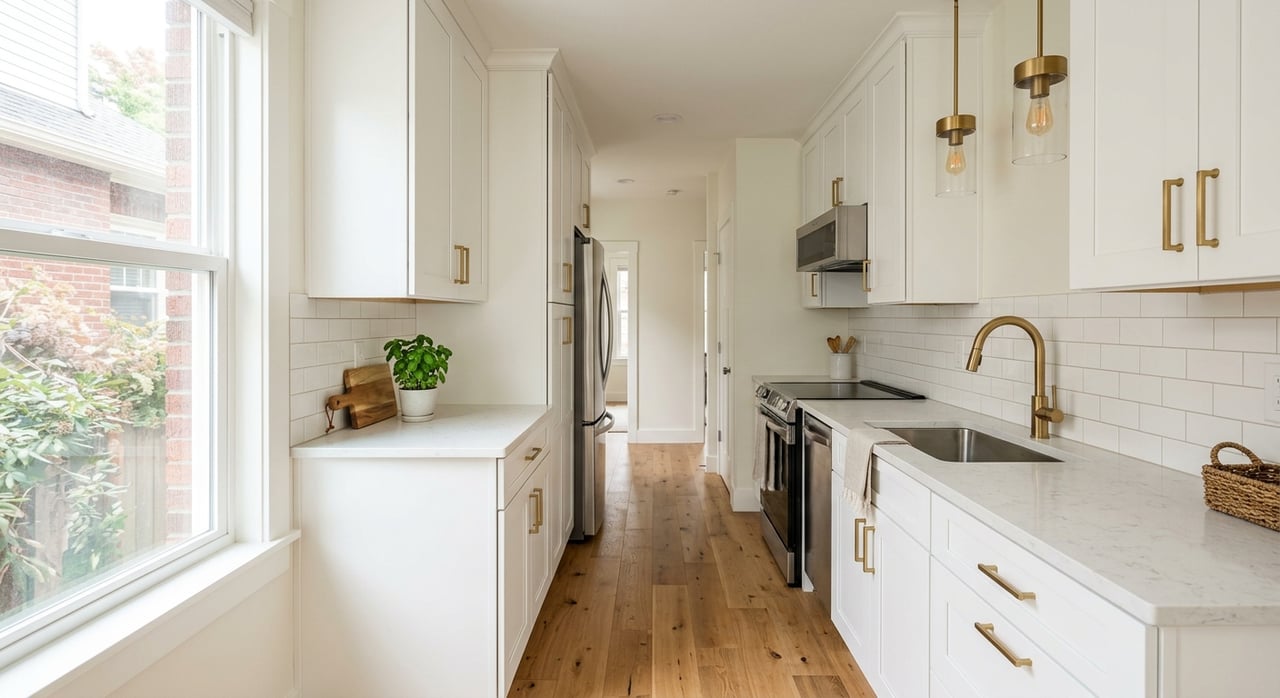
The kitchen does not always need a full remodel to show well. Small improvements like paint, hardware, lighting, and clear counters can go a long way. In a historic home, those lighter-touch updates often make more sense than a major renovation right before listing.
A practical Compass Concierge timeline
The best results usually come from starting earlier than you think. Old Town listings often benefit from a prep plan that leaves room for vendor scheduling, material lead times, and any needed preservation review.
6 to 18 months before listing
Start by defining the likely scope of work and deciding whether any planned exterior changes could touch BAR-regulated elements. This is also the right time to discuss a Compass Concierge budget and map out what is worth doing versus what is easy to skip.
If your home may need visible exterior work, early outreach to the City’s Preservation staff can help you avoid delays later. Even if you are not ready to list immediately, this step can bring clarity.
8 to 12 weeks before photos
This is the working phase. Gather bids, select vendors, order materials, and submit any needed exterior applications. Even when items qualify for administrative review, scheduling and completion still take time.
This window is also ideal for locking in the smaller upgrades that improve photos and showings, such as paint, lighting, flooring fixes, or bathroom refreshes.
2 to 4 weeks before launch
Finish the punch list, deep clean, declutter, and stage the key rooms. This is when the home starts to feel market-ready. For most sellers, this final stretch has the biggest visual payoff.
If you are deciding where to focus staging, keep the top three in mind: the living room, primary bedroom, and kitchen.
Launch
Once the home is photo-ready and polished, you can move into market launch. Compass also offers pre-public marketing stages like Private Exclusives and Coming Soon, which can help build interest before the full MLS debut.
For the right Old Town property, that sequence can create a cleaner rollout and a stronger first impression when the listing goes live.
Why coordination matters as much as cash
Sellers often think the hardest part of pre-listing prep is paying for the work. In reality, the harder part is usually narrowing the scope, choosing the right vendors, and keeping everything on schedule.
That is why Compass Concierge works best when it is paired with local strategy. In Old Town, each prep decision should answer a simple question: will this help buyers see the home more clearly without creating unnecessary cost, delay, or historic-district issues?
A neighborhood-first advisor can help you stay disciplined. That means identifying the updates most likely to improve presentation, avoiding over-improvement, and keeping you out of contractor chaos.
Selling old homes without losing character
Old Town buyers are often looking for charm, context, and livability all at once. The best listing prep respects that balance. You want the home to feel fresh and move-in ready, but you also want to preserve the details that make it feel like Old Town.
That is why selective updates tend to outperform heavy-handed changes here. Fresh paint, better lighting, thoughtful staging, and a clean visual story can help your home feel current while still honoring its architecture and setting.
If you are preparing to sell in Old Town, the right plan is usually not the biggest plan. It is the most focused one.
If you want help building a smart, manageable prep strategy for your Old Town listing, Adrianna Vallario can help you choose the right scope, coordinate the process, and bring your home to market with the polished presentation buyers expect.
FAQs
Does Compass Concierge require upfront cash for an Old Town listing?
- Compass says eligible improvement costs are fronted with zero due until closing, subject to program terms, and repayment is triggered by the sale, listing termination, or 12 months from the Concierge start date.
Will historic district rules delay my Old Town home sale prep?
- Interior work does not require Board of Architectural Review approval, but exterior alterations visible from a public right of way do require review, so timing depends on the scope of work.
Which rooms should I stage first in an Old Town home?
- The living room, primary bedroom, and kitchen are the top rooms to prioritize based on the 2025 home staging data.
What updates usually make sense before listing a home in Old Town Alexandria?
- Fresh interior paint, lighting improvements, decluttering, deep cleaning, minor kitchen and bath refreshes, flooring touch-ups, and professional staging are often the most practical pre-listing updates.
Can I paint my Old Town home before listing it?
- Interior paint is usually a straightforward update, but painting previously unpainted masonry requires approval from the City, so exterior plans should be verified first.